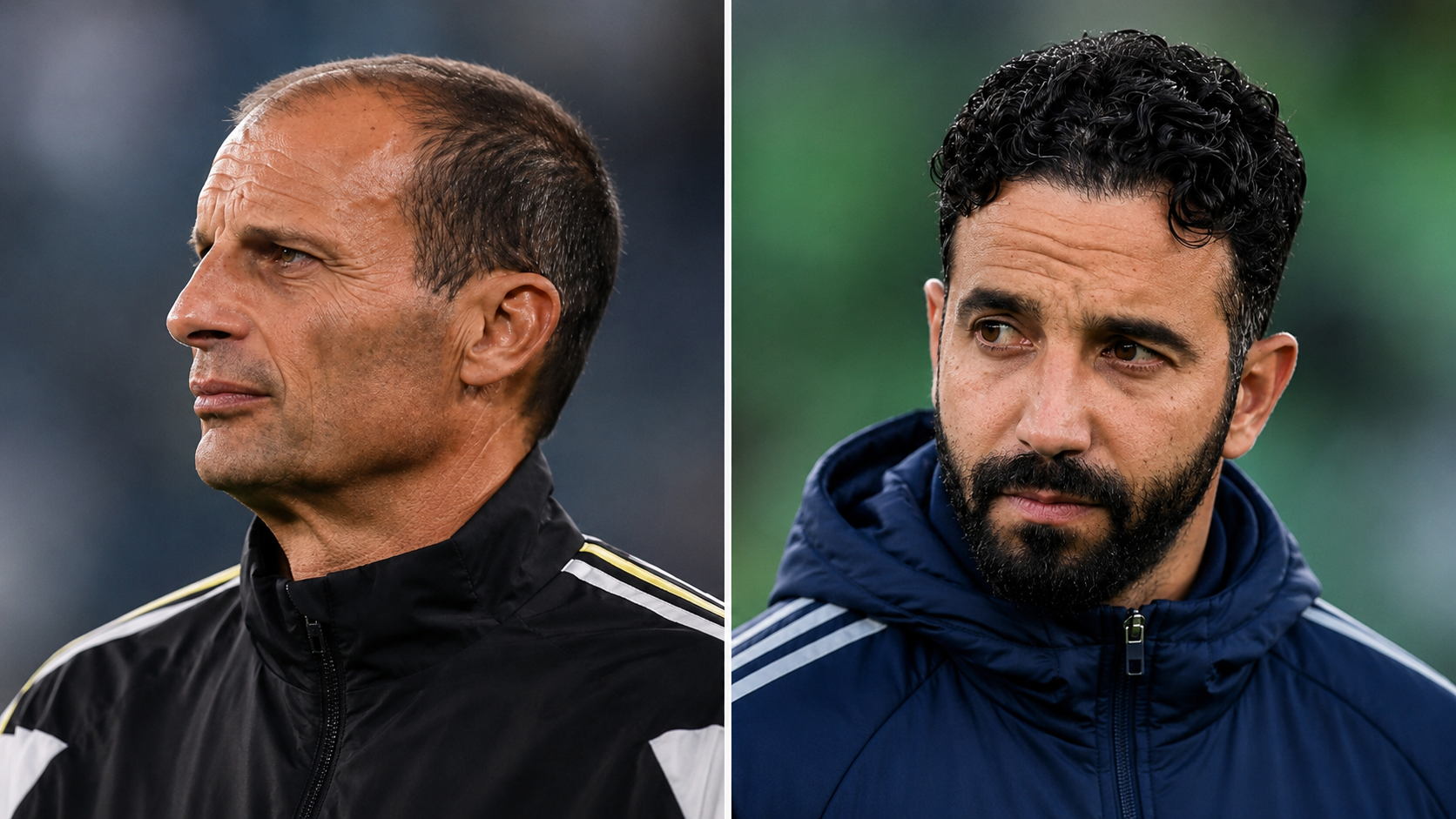
Ruben Amorim's Milan already look like a different team from the one Massimiliano Allegri built, and the signs were there from the opening seconds against Torino, La Gazzetta dello Sport report.
One match is a small sample, but the direction is already visible. Amorim inherited a side shaped around Allegri's caution, and his first outing pointed the other way in almost every respect.
Gazzetta note that some things are clear in 12 seconds. Straight from a Torino kick-off on Sunday night, four Milan players were already inside Mascardi's box, a statement of intent before the game had properly begun.
The numbers back up the eye test. Milan held 78% possession after half an hour, an unsustainable figure that settled at 59% by the end, still comfortably above last season's 52% average. In the first half alone they managed 10 shots from inside the area, the kind of return Allegri's sides rarely produced.
The contrast runs through everything. Allegri defends deep and cedes the ball; Amorim wants to defend high and opened his first press conference by saying Milan want to control possession. Where Allegri builds seasons around reducing risk and cutting out individual errors, Amorim focuses on what the team creates and accepts the damage that comes with it. Both approaches can win, and Gazzetta are clear that Milan started well under Allegri too.
The change extends to personnel. Yunus Musah and Samuel Chukwueze were sent out on loan a year ago; Amorim recalled both, named them in his starting XI and saw both impress. The reverse is true for Fikayo Tomori, Santiago Giménez and Youssouf Fofana, who no longer sit at the centre of the plan. Rafael Leão's situation has shifted too. A summer ago he was made the focal point of the attack; now Amorim has Alphadjo Cissé on the left, and the youngster scored on his full debut.
None of this makes Milan definitively better or worse than last season, only different. They take more risks and attack more, which is more entertaining to watch. Whether it converts into more wins is the question that will define the season.
Gerry Cardinale set the tone before a ball was kicked with seven words: "We play to win, not to avoid losing." Whether that was aimed at Amorim's philosophy or at the man who came before him, Gazzetta suggest, only Cardinale knows.
For now, the evidence points one way, and the results will decide whether Amorim's willingness to gamble was the right call.