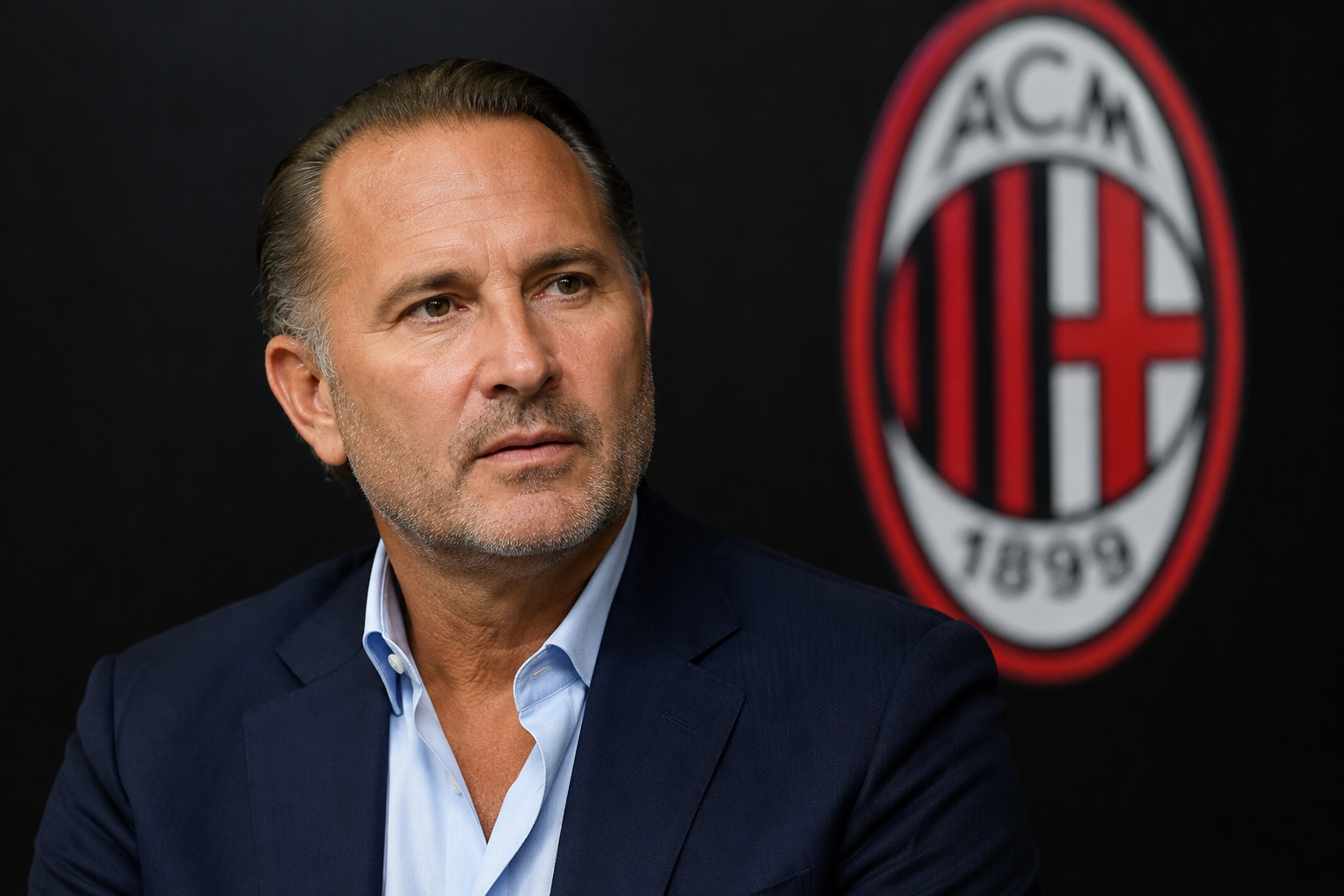
Gerry Cardinale has fundamentally changed the way he runs AC Milan, and La Gazzetta dello Sport have laid out five ways in which the owner is now doing things differently.
This matters because for most of RedBird's tenure, the complaint from supporters was always the same: an absentee American owner who treated Milan like a spreadsheet, kept the balance sheet immaculate and let the football drift. Last season proved the model had a ceiling. No Champions League, no trophy worth the name, a coaching change midstream. The reset that followed is Cardinale's own admission that the old way was not working, and he has told his own staff as much.
Gazzetta trace the turning point to January 21st, when Cardinale returned to Milan after a long stretch away for meetings at Casa Milan, with the Comvest refinancing looming, and a short stop at Milanello. The end-of-season collapse gave him the opening to tear up the management structure. Here is what has changed.
The first shift is decision-making. The old setup was purely American: hire a trusted executive team, delegate the day-to-day, and judge them at the end of the season. It failed, partly because the people at the top were fighting each other rather than working together. Now everything runs through Cardinale. The empty seats have been filled, but nobody below him has been handed outsized power. The chain of command is shorter and calls get made faster.
The second is his own absence. Cardinale has reportedly admitted to colleagues that he surprised himself, that a man who had personally handled every venture of his career had spent too little time inside his own football club. The takeaway is blunt: Milan had never really been his Milan. He sees the sacking of the previous management at the end of May as his true first day in charge.
The third is the language of winning. Cardinale spoke of a desire to "play to win, not to avoid losing," a direct response to a season of cautious, low-risk football that produced nothing anyway. It is also an answer to the fans who accused him of caring more about margins than results.
The fourth is efficiency in the market. Cardinale concedes he leaned too hard on the financial side at the expense of the sporting one. The books were restored beautifully after the wreckage of Yonghong Li's ownership, but it cost Milan on the pitch. Where a signing used to mean weeks of grinding negotiation and internal sign-offs, often ending with the target going elsewhere, the process is now quicker: agreement with the coach on the profile, a feasibility check, an assessment of rival interest, and a mandate to close.
The fifth is ambition stated out loud. A year ago the messaging was about finishing in the top four because the Champions League money was essential. This summer Massimiliano Allegri, sorry, this summer it was Igli Tare's business and the new coach Allegri who set the tone, and the club has stopped hiding its targets. The communication has changed as much as the objectives.
There is an obvious test attached to all of this. Milan spent big to bring in the likes of Luka Modrić and reshape the squad after finishing eighth, their worst league placing in over a decade, and a hands-on owner only counts if the results follow. Cardinale has rewritten the job description. Now he has to prove the new version works better than the old one.