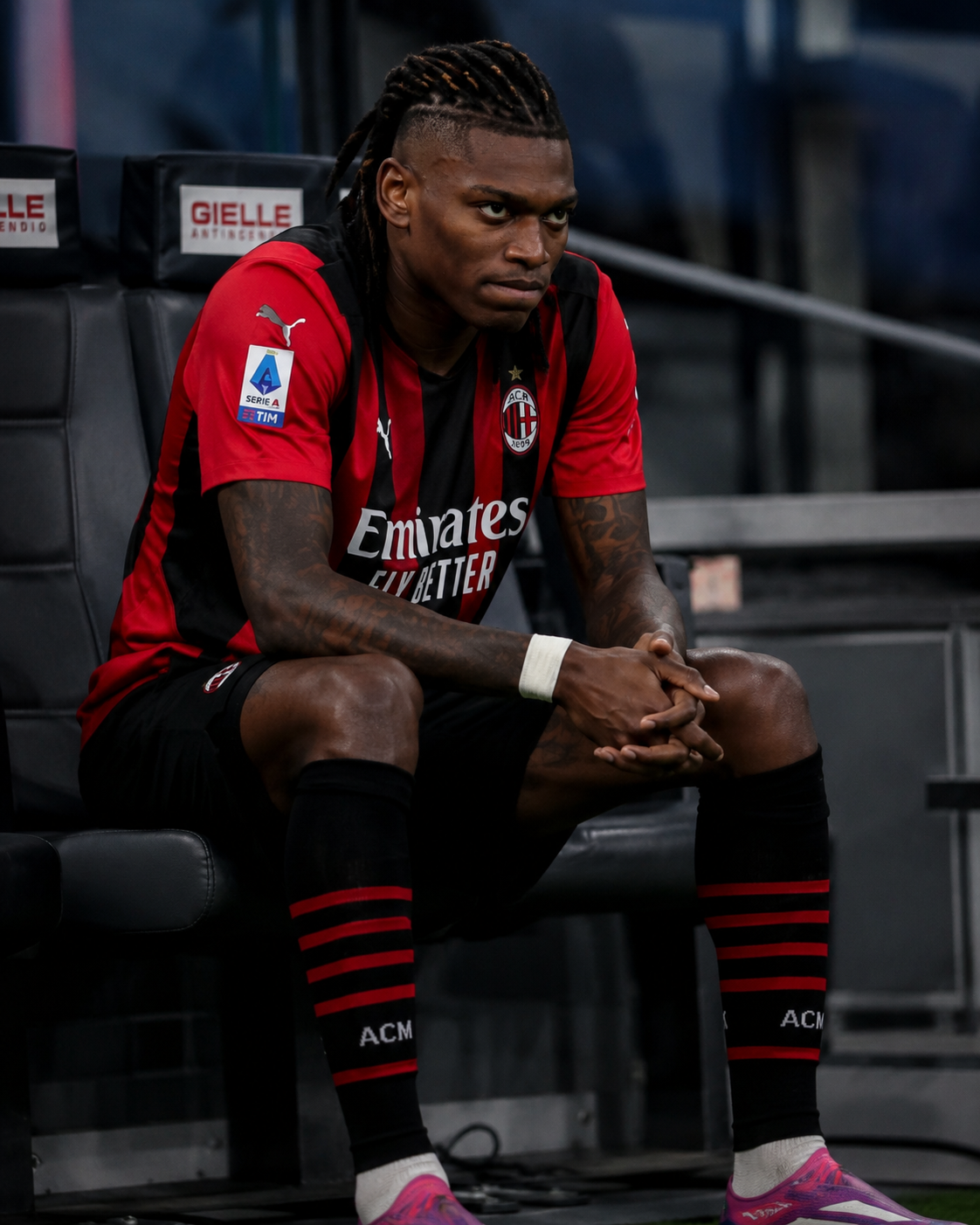
Milan face a decision on how much they are willing to accept for Rafael Leão, with the Turkish market now the only concrete route to a sale this summer.
The backdrop is the interview Leão gave before the World Cup, in which he made clear his wish to leave. That opened the door to an exit, but the queue of suitors that might have been expected for the No.10 has not formed, leaving Milan short of the leverage they hoped to have.
Instead, a move to Turkey has become the likeliest outcome, with Leão said to be open to it if the financial terms suit him. Galatasaray and Fenerbahçe are both in the running, though neither can match Premier League spending. A salary in the region of €10m per year appears within reach for the Turkish clubs, and possibly a reasonable fee alongside it, but whether that is enough to satisfy Gerry Cardinale is the open question.
The asking price has already moved. Milan initially set it at €60m, later revised down to at least €50m. To date, Fenerbahçe are thought capable of reaching around €40-45m including bonuses, while Galatasaray have yet to indicate to Milan what they might offer, having focused their energy on personal terms with the player.
That competition helps Milan, even if it is unclear whether it helps enough to push Fenerbahçe up by another €10m. The pressure runs both ways. There is no guarantee either Turkish club stays in the race if they judge the operation unworkable, and were both to walk, Milan would lose not just the offers on the table but the only concrete interest in the player full stop.
Timing sharpens all of this. Milan need the funds from a Leão sale to move on their own incoming targets, while Galatasaray and Fenerbahçe will not want to wait indefinitely before locking down a forward, whether that is Leão or an alternative. The next several days should clarify where things are heading.
For Milan, a player once seen as an easy sale has become a test of nerve: hold firm on the valuation and risk the market closing, or accept a Turkish offer well below the original ask. From here, it is Cardinale and his colleagues who set the floor.